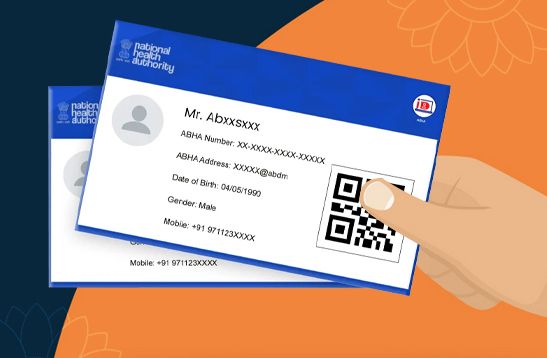
Digital healthcare in India is undergoing a major transformation, and at the centre of this shift is the ABHA card. Also known as the Ayushman Bharat Health Account card, it is part of the government’s initiative to create a secure and standardised digital health ecosystem. With a simple ABHA card download, individuals can unlock benefits that go far beyond storing medical records.
While many people are aware of its basic purpose, few realise how deeply this card can change the way they access healthcare. Here are some secrets of the ABHA card that every citizen should know.
A universal digital health identity
The ABHA card creates a unique 14-digit identification number for every registered individual. This acts as a universal digital health ID, ensuring that medical data, prescriptions, diagnostic results, and doctor consultations can be linked under a single profile. Instead of carrying bulky files to every hospital, patients can use their ABHA number to access information instantly.
Seamless sharing of medical records
One of the most powerful features of the ABHA card is its ability to enable consent-based sharing of health records across healthcare providers. With patient permission, doctors can access complete medical histories, improving diagnosis and treatment quality. For example, if someone is admitted in a different city, their entire record can be shared digitally without delays.
Faster hospital admissions and treatment
Hospitals often face delays in admitting patients because of missing paperwork or incomplete records. With the ABHA card, admissions become quicker since data is linked digitally. Emergency care becomes more efficient as doctors gain immediate access to the patient’s health profile. This reduces duplication of tests and unnecessary expenses.
Integration with insurance services
The ABHA ecosystem is gradually being integrated with health insurance providers. This means claims can be settled faster as insurers can verify treatments and medical records digitally. In the future, health insurance processes may become paperless, saving time for both patients and insurers.
Support for telemedicine
The popularity of telemedicine has increased after the pandemic, and the ABHA card makes it more efficient. Doctors can review a patient’s digital health history before consultation, allowing them to provide precise medical advice. Prescriptions can also be stored and accessed online, making follow-ups seamless.
Privacy and consent at the core
A concern for many people is whether their medical data is safe. The ABHA framework ensures that health information is shared only with the patient’s consent. No hospital, clinic, or doctor can access records without permission. Individuals can revoke access at any time, giving them control over their digital health identity.
Linking multiple health services
The ABHA card is not limited to hospitals. It can be linked to pharmacies, diagnostic centres, wellness platforms, and even fitness applications. This integration creates a 360-degree view of an individual’s health, supporting preventive care alongside treatment. For example, regular blood tests from diagnostic labs can automatically update a person’s ABHA profile, making it easy to track progress over time.
Accessibility across India
One of the hidden strengths of the ABHA card is portability. Whether you visit a government hospital in a rural district or a private clinic in a metro city, your ABHA ID remains the same. This makes it easier for migrants, students, and working professionals who often change locations to access consistent healthcare without losing medical history.
Encouraging preventive healthcare
Since medical data is centralised, the ABHA ecosystem can flag health risks based on past records and trends. For example, rising blood sugar levels across test reports may prompt timely interventions before diabetes becomes severe. Preventive healthcare becomes proactive instead of reactive.
Easy registration and download
Registering for the ABHA card is simple. Individuals can create an account online using their Aadhaar or driving licence. Once registered, they can complete the ABHA card download in digital format and carry it on their phone. This accessibility ensures that medical records are never out of reach.
Future possibilities with ABHA
The government envisions the ABHA system as the foundation of a national digital health mission. In the future, services such as e-pharmacies, AI-based health monitoring, and cross-border healthcare partnerships may integrate with the ABHA card. This would position India as a leader in digital healthcare innovation.
Real-world impact on patients
For patients with chronic conditions such as heart disease or cancer, the ABHA card reduces the burden of maintaining multiple files. Doctors across specialities can collaborate effectively using one digital record. Similarly, for students studying away from home, the card ensures continuity of care even if they switch hospitals frequently.
Conclusion
The ABHA card is not just a digital health ID—it is a gateway to a more connected, efficient, and patient-centric healthcare system. With benefits ranging from faster admissions and insurance integration to preventive healthcare and telemedicine support, it has the potential to redefine how Indians interact with the healthcare ecosystem.
As adoption increases, understanding the full power of this initiative becomes essential. Completing an ABHA card download is only the first step; the true value lies in how individuals use it to take control of their health journey. For a future where healthcare is smarter, safer, and more accessible, the ABHA card could be the key.