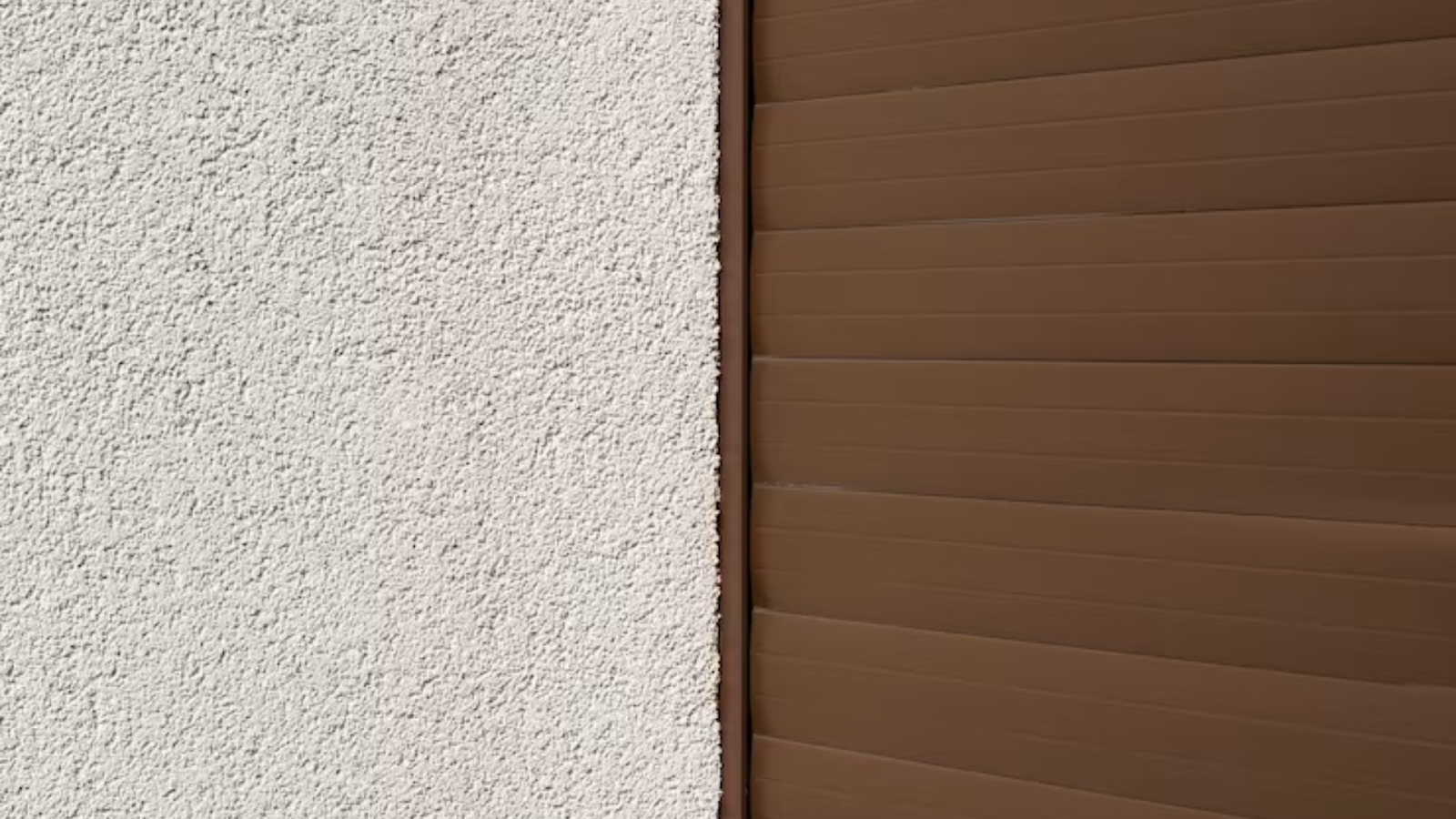
A well-done stucco finish can make any home look timeless — but how long does it really last?
Many homeowners admire its elegant look and solid texture, yet worry about cracks or weather damage over the years. The truth is, the durability of your walls depends largely on the quality of exterior stucco installation, the climate, and how well you maintain it afterward.
When properly applied and cared for, stucco can last anywhere from 50 to 80 years, often outlasting many other siding materials. But without the right upkeep, even the best mix can deteriorate faster than you’d expect.
So, how can you ensure that your stucco continues to protect and beautify your home for decades? Let’s explore its lifespan, what affects it, and the best ways to preserve its strength and appearance.
What Affects Stucco’s Lifespan?
Several factors determine how long your stucco will stay strong and crack-free. Here are the main influences:
-
Installation quality: If the base layers are not applied evenly or cured properly, cracks can appear within a few years. A professional application with the right mix and moisture barrier makes a huge difference.
-
Climate: Stucco thrives in dry climates but can weaken faster in areas with heavy rain, snow, or humidity. Proper sealing helps it withstand moisture.
-
Foundation movement: Homes naturally shift over time. Minor movements can cause hairline cracks, but major shifts can damage stucco more severely.
-
Maintenance routine: Regular cleaning, sealing, and timely repairs keep your walls in top shape and prevent small issues from becoming costly ones.
Typical Lifespan of Stucco Exteriors
Generally, a properly installed stucco exterior can last for half a century or more. Some well-maintained homes built in the early 1900s still have their original stucco intact. However, there’s a difference between structural longevity and cosmetic appearance. While the base layer may stay strong, the finish coat might need refreshing every 15–20 years to maintain its aesthetic appeal.
A few signs that your stucco needs attention include:
-
Cracks or chips in the surface
-
Discoloration or staining
-
Mold or mildew near the base
-
Bubbling or flaking patches
When you start noticing these signs, it doesn’t necessarily mean you need a full replacement. Often, a patch repair or repainting can restore its charm and protect the base layer for many more years.
How Proper Installation Extends Durability
The secret behind long-lasting stucco lies in a professional exterior stucco installation. Correct layering—scratch coat, brown coat, and finish coat—creates a durable system that resists water and temperature changes.
A skilled installer will also include:
-
Moisture barriers to stop water infiltration.
-
Control joints to handle expansion and contraction.
-
High-quality finishing coats that protect against UV rays and rain.
Even the best materials won’t perform well without correct preparation. For example, applying stucco on a wet or unprimed surface can cause early detachment. So, investing in expert installation upfront saves years of repair costs later.
Maintenance Tips to Keep Stucco Strong
Once your stucco is installed, the care and attention you give it will determine how long it keeps looking beautiful. Here are practical maintenance steps to follow:
1. Inspect Regularly
Walk around your home every few months to check for cracks or damp spots. Addressing small cracks early prevents water from entering and expanding the damage.
2. Clean Annually
Use a garden hose or low-pressure washer to remove dust, dirt, and algae. Avoid high-pressure cleaning since it can erode the surface. A mild detergent and a soft brush work best for stubborn spots.
3. Seal and Paint Periodically
Stucco should be sealed every 5–7 years with a breathable, water-resistant coating. If painted, use paint designed for masonry to allow moisture to escape naturally.
4. Repair Promptly
Don’t ignore small cracks or chips. Use patching compounds or hire a professional for deeper repairs. Delayed maintenance can lead to structural issues.
5. Check for Moisture Problems
If you notice peeling paint indoors or musty smells, check for leaks behind your stucco. Water infiltration can compromise the structure over time.
Common Problems and Their Fixes
Taking small preventive steps keeps these issues from becoming major repairs.
When to Consider Re-Stuccoing
Even with excellent maintenance, stucco may eventually show signs of wear after several decades. You may consider re-stuccoing if you notice:
-
Deep, spreading cracks
-
Large patches that keep crumbling
-
Severe discoloration or outdated finish
Re-stuccoing involves removing damaged layers and applying a new coat, giving your home a fresh look while restoring protection. It’s also an excellent opportunity to update the color or texture.
Why Stucco Is Still a Smart Choice
Despite the maintenance required, stucco remains a top choice for homeowners because of its durability, insulation benefits, and timeless appeal. It naturally resists fire, pests, and harsh weather better than many siding options. Plus, with modern finishes and pigments, you can customize it to match any architectural style—from classic to contemporary.
With the right exterior stucco installation and consistent care, your walls can easily last generations while keeping your home energy-efficient and visually stunning.
The Final Word
Stucco isn’t just about curb appeal—it’s an investment in long-term protection. When installed and maintained properly, it can remain strong and beautiful for up to 80 years. Keep it clean, sealed, and promptly repaired, and it will continue to add value and character to your home for decades to come.