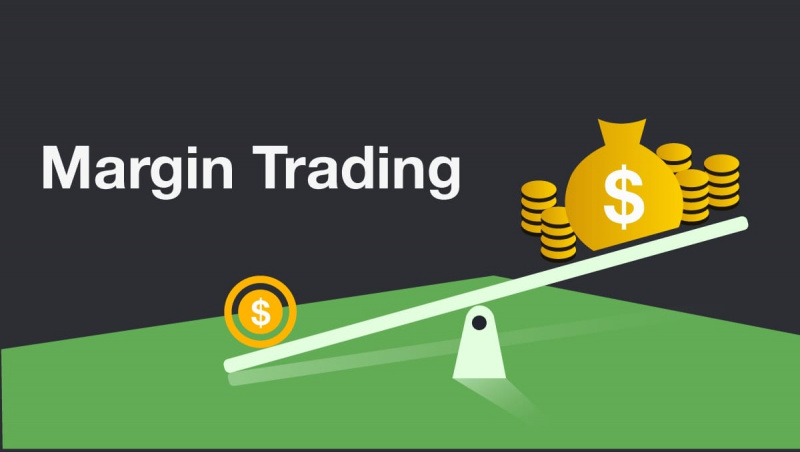
Investors usually revise their strategies whenever a downturn occurs in the market with bearish conditions. Thus, in bullish conditions, they are more enthusiastic to go with higher participation and risk. However, during the bear phase, the whole game of margin trading changes. Margin Trading Facility (MTF) trading is riskier because borrowed funds increase both profits and losses.
The Simple Definition of Margin Trading
Margin trading refers to the ability of an investor to acquire securities by merely funding part of their price, with the rest realized as borrowed funds extended through a broker. This way, the investor employs leverage. In margin trading, the investor deposits a margin, either in cash or approved securities, while the broker finances the rest.
Bear Market Psychology and Investor
Bear markets reflect a decline in stock prices for long periods, generally due to an economic slowdown, poor earnings, or global uncertainty. With that, the psychology of the investor changed in the manner of:
1. Increased risk aversion: Traders start to become defensive and cease aggressive expansion in favor of capital preservation.
2. Higher liquidity needs: In most cases, the falling prices cause the investors to be on liquidity to meet margin calls.
3. Intensified short-term focus: Traders look closely into price fluctuations daily and wait more for opportunities to exit rather than holding them for further growth.
These changes in the psychological mindset are more directed towards margin trading activities.
How Margin Trading Behavior Changes
1. Lower Usage of Margin
In bull markets, investors use as much margin as possible through MTF trading to catch up on higher returns. However, during bear market periods, they cut back. Higher margin contribution requirements discourage additional appetite for leveraging positions.
2. Increased Call-in Margins
Value decline of collateralized securities leads to insufficient maintenance of the maintenance margin. Concomitantly, this then compels the broker to issue margin calls. Now, the investor needs to contribute from his own sources additional cash or securities. For those who do not comply, one can resort to forced liquidation, hence further pressure on prices.
3. Favor Towards Defensive Stocks
In a bearish territory, margin traders adhere to defensive sectors such as utilities, consumer staples, and the like. The stocks run a steadier performance, which reduces the chance of mid-cycle margin calls. This also marks a change from volatile growth stocks, which can easily wipe out the balance on margin.
4. Shorter Time Periods of Holding
Traders tend to take a shorter horizon during bearish conditions, in which they square off positions at a much faster clip to avoid overnight risk. Under MTF, volumes traded on margin might move from delivery-based holdings into an intraday strategy to limit exposure to just a single session.
5. Increased Volatility in Trading Patterns
Bear markets generally exhibit sharp rallies mutilated by deeper falls, with margin traders trying to maneuver through the movements but risk ending up on the wrong side of swings. Thus, rapid changes of position emerge, together with high turnover, even though the net exposure remains minimal.
Broker and Regulatory Changes
Bear markets should not only impact the behavior of an investor but also include changes among the brokers as well as the regulators:
Stricter Margin Norms: Extremely high initial margins under MTF trading might be asked by brokers to lessen the risks of default.
Lower Leverage Ratios: Regulatory authorities may limit the leverage allowed on certain stocks, particularly high volatilities.
Risk Monitoring: The monitoring by brokers of client accounts is heightened, reassessing often the valuation of collateral with exposure.
Such measures should ensure the protection of the financial system against the havoc of a margin trade in intensifying such market stress.
Historical Patterns in Margin Trading during Bears
Bear markets operated in almost the same way—simply with reduced leverage use and increased margin calls. With reduced asset prices, margin balances fell quite rapidly, and traders were forced to infuse new funds to keep positions alive or exit. Moreover, because of such externals, the rate of decline often accelerates, as forced sell-offs push declines further down the road.
For example, sharp market corrections will correspond with spikes in broker-led liquidations. It illustrates how margin trading can amplify negative sentiments, with selling pressure feeding on itself.
Risk Protection in Bear Markets for Margin Traders
Often, strategies traders adopt to survive margin trading in downturns include
Less Borrowing: Leverage in borrowed exposure means lower risk of liquidation when the price falls.
Diversity: Dispersing positions over several sectors cushions sharp declines in a single stock or industry.
Continuous Monitoring: Know daily about margin requirements, which will help anticipate calls and liquidity needs.
Use of Stop-Loss Orders: Protect capital via predefined levels where positions are automatically exited.
Keeping Liquidity: Maintaining a certain amount of cash makes it possible to meet margin calls without selling off securities.
All these practices show that self-discipline is required when deploying MTF trading in bearish cycles.
Conclusion
Bear markets change the way investors manage placement in margin trading. The bubble of optimism during the bull phases, where the use of leverage serves to expand returns, finds itself negated into caution and liquidity management as some or most traders lose courage in the market. Under MTF trading, investors still engage in opportunities, though with lessened leverage, shorter horizons, and tighter discipline.