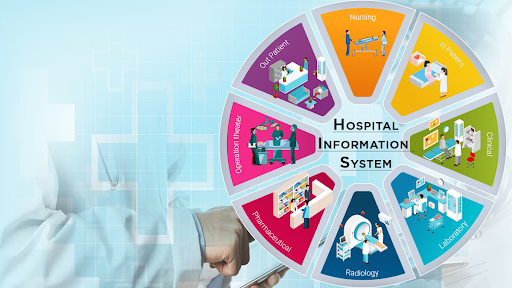
The healthcare industry continues to evolve rapidly, shifting toward digitization to enhance efficiency, accuracy, and patient care. Among the transformative tools facilitating this change is the hospital information system (HIS). This powerful software infrastructure has become the backbone of modern healthcare management, allowing hospitals, clinics, and individual practitioners to streamline their operations. On another note, as healthcare providers strive to improve their facilities, they often face the question of financing, which leads us to explore whether doctors can obtain a business loan for doctors to fund their practices. This article delves into these two interconnected topics, offering insights into HIS and how doctors can access financial assistance to expand or sustain their medical services.
What Is a Hospital Information System?
A hospital information system (HIS) is a comprehensive software solution designed to manage, operate, and streamline various processes within a healthcare facility. It integrates every aspect of hospital administration, from patient records and billing to inventory management and staff scheduling. HIS systems are essential for maintaining the smooth functioning of healthcare establishments and enabling transparent communication across departments.
At its core, a hospital information system leverages information technology to improve healthcare delivery and operational efficiency. It minimizes the need for manual paperwork, eliminates errors, and ensures that data is readily accessible to authorized personnel. HIS solutions are customizable and scalable, making them suitable for large hospitals, small clinics, and even niche practices.
Key Features of a Hospital Information System
1. Electronic Health Records (EHR): HIS provides a centralized platform for storing patient records digitally. This includes medical history, test results, medications, and treatment plans. EHRs ensure continuity of care and can be accessed instantly by healthcare providers, saving time and improving accuracy.
2. Appointment Scheduling: Managing patient appointments and staff schedules can be complex. HIS automates this process, reducing delays and mismanagement while offering patients easier access to medical services.
3. Billing and Financial Management: HIS streamlines the billing process by automating invoice generation, capturing insurance claims, and tracking payments. It ensures financial transparency and reduces the burden on administrative staff.
4. Inventory Management: Hospitals deal with vast amounts of medical supplies, equipment, and pharmaceuticals. HIS helps track inventory levels, usage rates, and expiration dates, ensuring no shortages or wastage.
5. Data Analytics: HIS systems are equipped with analytics tools that help administrators monitor trends, predict patient needs, and optimize healthcare delivery. This data-driven approach allows higher efficiency and better resource allocation.
6. Compliance and Security: A robust HIS ensures hospitals remain compliant with national and international healthcare regulations, such as HIPAA. Additionally, integrated security protocols protect sensitive patient data from breaches.
The Benefits of a Hospital Information System
Investing in a hospital information system yields significant benefits for healthcare providers.
– Improved Patient Care: HIS centralizes patient data, providing healthcare professionals with the information they need to make timely and informed decisions.
– Operational Efficiency: Automation reduces administrative workloads, freeing up hospital staff to focus on patient care instead of laborious paperwork.
– Cost Savings: Streamlined processes reduce operational disruptions and decrease financial inefficiencies.
– Enhanced Communication: HIS facilitates seamless collaboration across departments, ensuring better coordination and reduced miscommunication.
– Data Accessibility: Patient records and other data are accessible from any authorized device, enabling telemedicine and remote consultations.
In conclusion, a hospital information system is indispensable in today’s healthcare landscape. Not only does it improve the quality of care, but it also ensures operational agility in an industry defined by its complexity and urgency.
Can Doctors Get Business Loans?
Running a medical practice or hospital requires more than expertise in healthcare; it also demands financial resources. Whether it’s upgrading medical equipment, acquiring space for a clinic, or adopting cutting-edge technologies like a hospital information system, many doctors and healthcare businesses often require financial assistance to turn their vision into reality. Fortunately, doctors can indeed access specialized financial products, such as a business loan for doctors, tailored to support their growth.
What Is a Business Loan for Doctors?
A business loan for doctors is a financial product designed exclusively for medical professionals to meet their business-related expenses. These loans are offered by banks, credit unions, and alternative lenders, with terms and conditions tailored to suit the unique financial needs of healthcare professionals.
For instance, a doctor may require funds to renovate their clinic, hire more staff, purchase advanced diagnostic instruments, or install a hospital information system. A business loan for doctors allows them to obtain the necessary funding without draining their savings.
Types of Business Loans for Doctors
Doctors have several financing options to choose from, depending on their specific needs:
1. Term Loans: A lump-sum loan offered for a fixed period with monthly installments. This is ideal for major investments like purchasing advanced medical equipment or real estate.
2. Working Capital Loans: These loans help cover day-to-day operational expenses, such as salaries, utility charges, or inventory restocking.
3. Equipment Financing: Specifically designed to purchase medical equipment, this loan structure often allows the equipment itself to serve as collateral, reducing risk for the lender.
4. Line of Credit: A flexible loan structure where doctors can borrow funds as needed, up to a pre-approved limit. This can be useful for unpredictable or seasonal business expenses.
5. Business Expansion Loans: For doctors looking to open a new clinic, acquire additional licenses, or upgrade their facilities with advanced systems like HIS, expansion loans provide capital without disrupting cash flow.
Eligibility Criteria for Business Loans for Doctors
While the eligibility criteria can vary among lenders, some common requirements include:
– A valid medical license and proof of qualifications.
– Evidence of existing practice or healthcare delivery.
– Creditworthiness and financial history.
– Annual revenue of the clinic or hospital (if applicable).
– A detailed plan of how the loan will be utilized—for instance, upgrading a hospital information system or purchasing diagnostic tools.
Furthermore, interest rates for doctor loans tend to be more competitive, reflecting the relatively lower risk associated with lending to healthcare professionals.
Connecting HIS Adoption to Doctor Loans
While understanding the scope and benefits of a hospital information system, it becomes evident that its implementation is a key step forward in modernizing healthcare. However, installing and maintaining a HIS system requires significant investment. For doctors who run their own practices, this expense might seem daunting. Here’s where the relevance of a business loan for doctors comes into play.
How Can A Loan Help Fund HIS Installation?
Purchasing a HIS system involves costs such as software licensing, hardware infrastructure, hiring technical support staff, and training personnel to operate the system efficiently. With a tailored business loan, doctors can access funding to cover these expenses without straining their operational budgets.
The advantages of securing a loan for HIS installation include:
– Minimized Financial Strain: Doctors can repay the loan in manageable installments without compromising other expenses.
– Flexibility: Loan products often allow adjustable repayment terms to align with revenue cycles.
– Quick Adoption: Instead of delaying HIS implementation due to budget constraints, doctors can improve their practice immediately with financial backing.
Moreover, adopting a HIS system can potentially boost revenue as it increases patient throughput, enables more precise billing processes, and improves overall operational efficiency.
In Conclusion
The adoption of a hospital information system is no longer just a luxury but a critical requirement for delivering high-quality, efficient healthcare services. By centralizing hospital operations and enabling data-driven decision-making, HIS systems empower healthcare providers to improve patient outcomes, optimize workflow, and reduce errors. For doctors who wish to embrace this transformative technology yet find themselves limited by financial constraints, specialized options like a business loan for doctors offer the necessary support.
Whether it’s expanding facilities, upgrading equipment, or installing a state-of-the-art HIS, financial products designed for medical professionals allow them to focus on what they do best—saving lives. If you’re a healthcare provider ready to modernize your practice, securing a tailored business loan can pave the way for sustained growth, better patient care, and overall success in the competitive healthcare landscape.