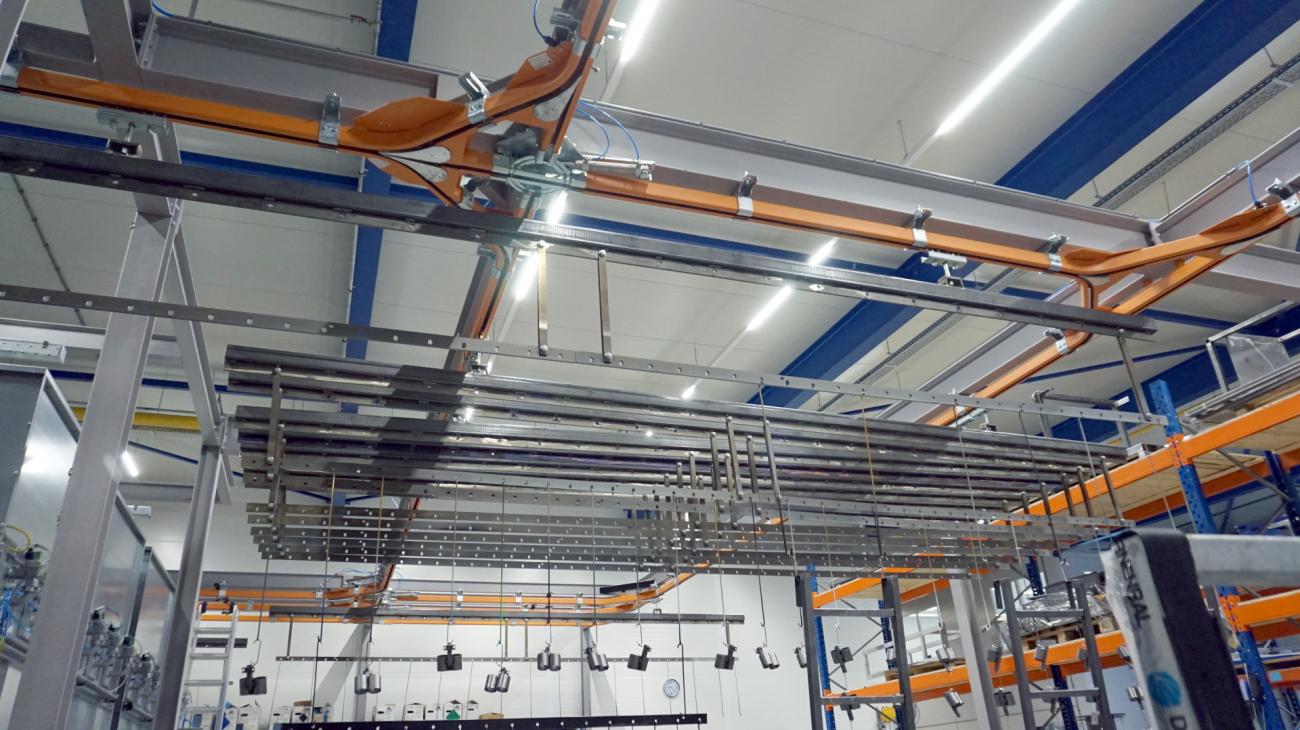
Exploring Niche Applications for Automatic Conveyor and Monorail Conveyor Solutions
In modern industries, moving products quickly and safely is critical, and many rely on conveyor systems. They transport goods across factories, warehouses, and production lines. But beyond the standard systems, there are niche solutions like automatic conveyor setups and monorail conveyor systems that help businesses solve unique challenges.
These specialized systems are designed to handle specific tasks, improve efficiency, and reduce manual labor, especially in industries where space is limited or materials need to move along complex paths. This article will explore how automatic conveyor and monorail conveyor solutions work and where they’re making a difference.
What Is an Automatic Conveyor?
An automatic conveyor is designed to move products, materials, or parts without constant human control. These systems are programmed to run at set speeds, stop at specific points, or adjust based on sensors and real-time feedback. They help reduce manual handling, speed up production, and improve consistency.
Common industries that use automatic conveyor setups include:
· Food and beverage processing.
· Packaging facilities.
· Automotive production.
· E-commerce warehouses.
· Pharmaceutical manufacturing.
These systems can transport products between workstations, send items to sorting areas, or connect different parts of a production line. By automating material movement, businesses save time and reduce errors.
What Is a Monorail Conveyor?
A monorail conveyor moves products along a single rail, often overhead. This setup saves valuable floor space and is ideal for transporting items across complex routes, around obstacles, or between multiple levels.
Monorail conveyor systems are commonly seen in:
· Automotive assembly lines.
· Large distribution centers.
· Paint shops or finishing areas.
· Aerospace manufacturing.
They provide smooth, reliable movement for materials that may be bulky, heavy, or difficult to move manually.
Niche Uses for Automatic Conveyor and Monorail Conveyor Systems
As well as traditional applications, these conveyor solutions also play key roles in more specialized industries.
1. Automotive Assembly: In car manufacturing, monorail conveyors carry vehicle frames, doors, or parts along the production line. They allow easy access for workers while keeping heavy components moving safely overhead. Automatic conveyor systems in these setups manage the precise flow of parts, reducing delays and keeping production on schedule.
2. Aerospace Manufacturing: Building aircraft parts requires precision. Monorail conveyor systems transport significant, delicate components without crowding the workspace. Automatic conveyor setups handle smaller parts, ensuring they arrive exactly where needed without human error.
3. Paint and Finishing Shops: Monorail conveyors are perfect for moving items through paint booths or drying areas. They follow set paths that protect finished surfaces from damage. Automatic conveyors regulate the speed and spacing, improving quality and reducing waste.
4. E-commerce Fulfillment: Online retailers rely on automatic conveyor systems to handle high order volumes. These systems sort packages, direct products to shipping stations, and reduce the need for manual sorting. Monorail conveyor solutions can also be used in multi-level warehouses, freeing up floor space for packing and storage.
5. Agriculture and Food Processing: In food production, automatic conveyors transport items through washing, sorting, and packaging lines. They improve hygiene by limiting human contact. Monorail conveyors help move heavy produce or packaging materials in extensive facilities.
Benefits of Using Automatic Conveyor and Monorail Conveyor Systems
These systems offer several advantages for businesses with complex production needs:
· Increased Productivity: Materials move continuously without delays.
· Space Optimization: Monorail conveyor systems free up floor space.
· Improved Safety: Heavy or awkward items move without manual lifting.
· Reduced Labor Costs: Automatic conveyors lower the need for manual handling.
· Consistency: Automated systems deliver reliable, repeatable performance.
Together, these benefits improve overall efficiency, reduce errors, and help businesses meet production goals.
Choosing the Right Conveyor System for Your Operation
When selecting an automatic conveyor or monorail conveyor system, consider:
· Product weight, size, and handling requirements.
· Available space (especially overhead space).
· Speed and production volume.
· Safety needs and workspace layout.
· Integration with existing equipment.
A well-designed system can grow with your business, adapting to future production demands. Many modern conveyor solutions offer modular designs, making it easy to expand or adjust the setup.
Conclusion
Automatic conveyor and monorail conveyor systems are strategic solutions for businesses facing unique production challenges. From tight spaces to complex production lines, these systems help companies increase efficiency, improve safety, and stay competitive.
When they understand the advantages and applications of these specialized conveyors, businesses can choose the right system for their specific needs. With the proper setup, operations run smoother, faster, and with fewer errors, keeping your production line and your business moving in the right direction.