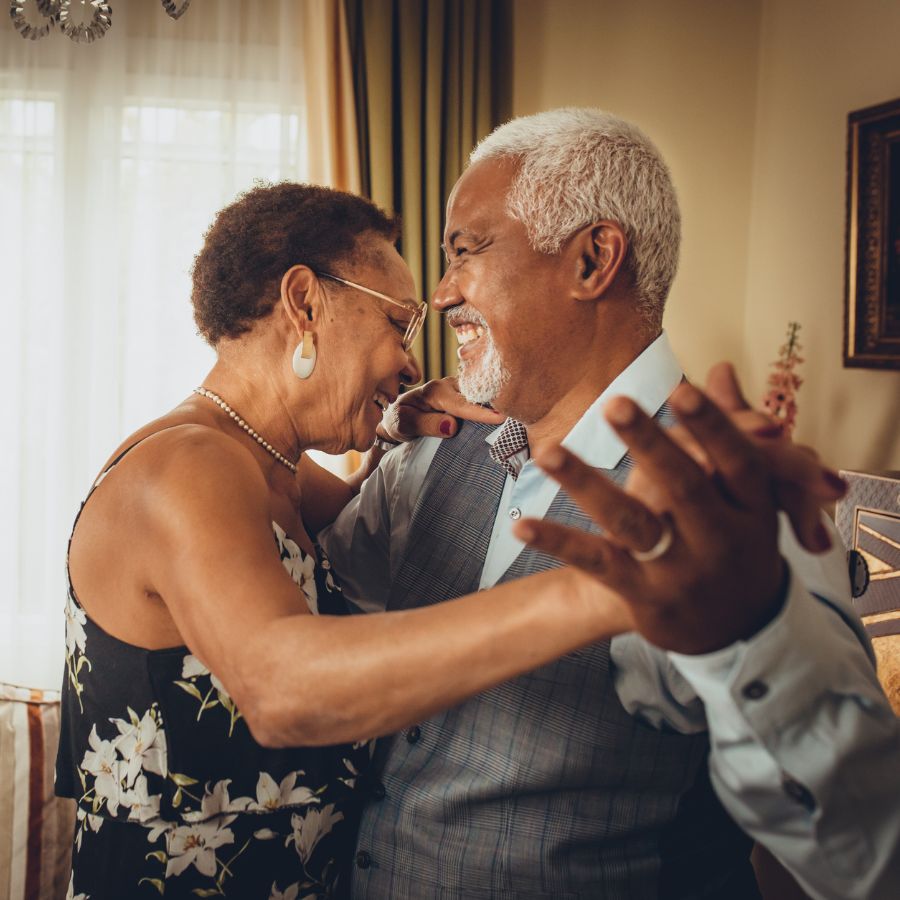
Aging gracefully is about staying active, joyful, and socially connected. For people over 60, dance is emerging as one of the most enjoyable and effective ways to achieve all three. Unlike traditional exercise routines that may feel repetitive or daunting, dancing combines movement, rhythm, music, and social engagement in a way that sparks both body and soul.
Whether it’s ballroom dancing with a partner, joining a line dance class with friends, or moving to Latin beats in a low-impact Zumba Gold session, seniors are discovering that age is no barrier to dancing. In fact, it can be the perfect stage of life to embrace it.
This article explores the most suitable dance styles for older people over 60, why dance is beneficial, what to consider before starting, and how to safely begin your journey into the world of rhythm and movement.
Why Dance is Perfect for Seniors Over 60
Physical Benefits of Dance for Seniors
For older adults, maintaining physical health is crucial. Dancing provides a low-impact workout that strengthens muscles, improves balance, and enhances flexibility. Even gentle movements increase circulation, which reduces the risk of cardiovascular diseases. Unlike jogging or high-intensity workouts, dancing is easier on the joints, making it sustainable for people with arthritis or age-related stiffness.
Mental and Emotional Benefits
Dance is not only good for the body—it’s nourishment for the mind. Choreographed steps challenge memory and concentration, helping reduce the risk of cognitive decline. The release of endorphins during dancing naturally lowers stress levels and uplifts mood, combating depression and anxiety that can affect seniors.
Social Advantages
Many seniors face loneliness, particularly after retirement. Dancing offers an antidote: it’s inherently social. Classes bring together like-minded people, whether partnered in ballroom or in group-based line dancing. Building friendships while enjoying music creates a sense of belonging and confidence.
Key Considerations Before Choosing a Dance Style
Fitness and Mobility Levels
Not every dance style suits every individual. Before diving in, seniors should honestly assess their physical capabilities. Someone with knee issues may prefer slower, flowing movements like Tai Chi-inspired dance, while those with higher stamina might enjoy swing or Latin rhythms.
Safety First
Safety should always come first. Comfortable shoes, supportive flooring, and proper posture prevent injuries. Warming up before and cooling down after sessions are essential for joint and muscle protection.
Personal Preferences and Lifestyle
A big part of sticking with dance is loving the style you choose. Some seniors prefer structured, elegant dances like ballroom, while others thrive in more relaxed, expressive forms like contemporary dance. Choosing what feels enjoyable ensures consistency.
Top Dance Styles Most Suitable for People Over 60
1. Ballroom Dancing: Grace and Elegance at Any Age
Ballroom dancing is often associated with sophistication—and it’s incredibly senior-friendly. Styles like the Waltz, Foxtrot, and Rumba are low-impact yet graceful, focusing on smooth gliding steps. Partner dancing not only enhances balance and coordination but also strengthens bonds, whether with a spouse or a new friend in class.
2. Line Dancing: Fun, Easy, and Social
Line dancing is one of the most accessible options for seniors. No partner is required, making it perfect for solo participants. Dances are usually choreographed to upbeat music, with simple repeated steps that improve memory and rhythm. Beyond its health benefits, line dancing creates a vibrant social atmosphere where everyone feels included.
3. Tai Chi-Inspired Dance: Flow and Mindfulness
Tai Chi-inspired movements blend meditation and dance. Gentle, flowing steps emphasize balance, flexibility, and mindfulness. For seniors dealing with joint stiffness or reduced mobility, this dance style provides exercise without strain while simultaneously reducing stress.
4. Latin Dances: Salsa, Cha-Cha, and Bachata (Modified)
Latin dances may sound intense, but modified versions exist for seniors. Salsa or Cha-Cha routines with slower steps still provide the joy of lively rhythms without overwhelming the body. These dances are especially great for improving core strength, posture, and coordination.
5. Swing Dancing: Lighthearted and Energetic
Swing dancing, particularly gentler versions like East Coast Swing, offers playful, upbeat movement that lifts spirits. While it’s more energetic, many classes adapt routines for seniors. Swing keeps stamina up, promotes cardiovascular health, and brings infectious joy to every session.
6. Contemporary Dance: Expressive and Adaptive
Contemporary dance encourages creativity and self-expression. It’s less rigid than ballroom and can be tailored to suit personal ability levels. Seniors who enjoy storytelling through movement find contemporary dance therapeutic and liberating.
7. Gentle Aerobic Dance and Zumba Gold
Fitness-inspired dances such as Zumba Gold are specifically designed for seniors. Unlike regular Zumba, which can be high-impact, Zumba Gold incorporates slower pacing, easy-to-follow choreography, and fun music. It’s an excellent way to improve endurance, coordination, and overall energy levels.
Tips for Seniors Starting Dance Classes
Choosing the Right Instructor/Class
Look for classes specifically marketed to seniors. Instructors with experience in teaching older adults understand modifications, patience, and proper pacing.
Start Slow and Progress Gradually
Beginners should avoid jumping straight into advanced routines. A gentle introduction builds confidence and helps the body adapt safely.
Practice at Home Safely
Even outside class, seniors can practice simple moves at home. Online tutorials and DVDs offer guidance, but it’s important to clear enough space and avoid slippery floors.
Staying Consistent for Lasting Benefits
Consistency is key. Attending dance classes two to three times weekly creates real improvements in mobility, mood, and fitness. Combining dance with walking or yoga adds variety and balance to overall health.
Inspiring Stories of Seniors Who Dance
-
Eleanor, 72: After retiring, Eleanor took up ballroom dancing. Within six months, she noticed improved posture, stamina, and a growing circle of friends.
-
David, 68: Struggling with mild arthritis, David joined Tai Chi dance classes. Not only did his flexibility improve, but his stress levels also reduced dramatically.
-
Margaret and John, 75 & 78: This couple rediscovered swing dancing. Now, they participate in community events, proving that dance brings vitality at any age.
These stories highlight that dance is not just exercise—it’s a lifestyle transformation.
Conclusion: Dancing into a Healthier, Happier Life After 60
Dance is not limited by age; it’s enhanced by it. For seniors, dancing is more than movement—it’s joy, connection, and vitality. From ballroom elegance to the carefree fun of line dancing, every style offers unique benefits. By choosing the right type of dance based on fitness levels, preferences, and lifestyle, seniors can enjoy physical health, emotional well-being, and renewed social connections.
The message is simple: It’s never too late to dance. Whether stepping into a community class or moving to music at home, seniors over 60 can dance their way to a healthier, happier life.
FAQs:
Q1. Is it safe for people over 60 to start dancing if they have joint problems?
Yes, as long as they choose low-impact styles like ballroom, line dancing, or Tai Chi-inspired routines. Always consult a healthcare professional before starting.
Q2. Do I need a partner to join senior dance classes?
Not at all! Line dancing, Zumba Gold, and contemporary dance are designed for individuals.
Q3. How many times a week should seniors dance to see benefits?
Ideally, 2–3 sessions of 30–45 minutes each week can improve fitness, mood, and balance.
Q4. Can dancing help prevent memory loss in older adults?
Yes. Dance combines music, rhythm, and memorization of steps—all of which stimulate the brain and improve cognitive function.
Q5. Which dance style is best for seniors with limited mobility?
Tai Chi-inspired dance and seated dance routines are excellent for those with physical restrictions.
Q6. Are there dance classes specifically designed for seniors?
Yes. Programs like Zumba Gold, Silver Sneakers Dance, and senior ballroom classes are available in many community centers and gyms.